
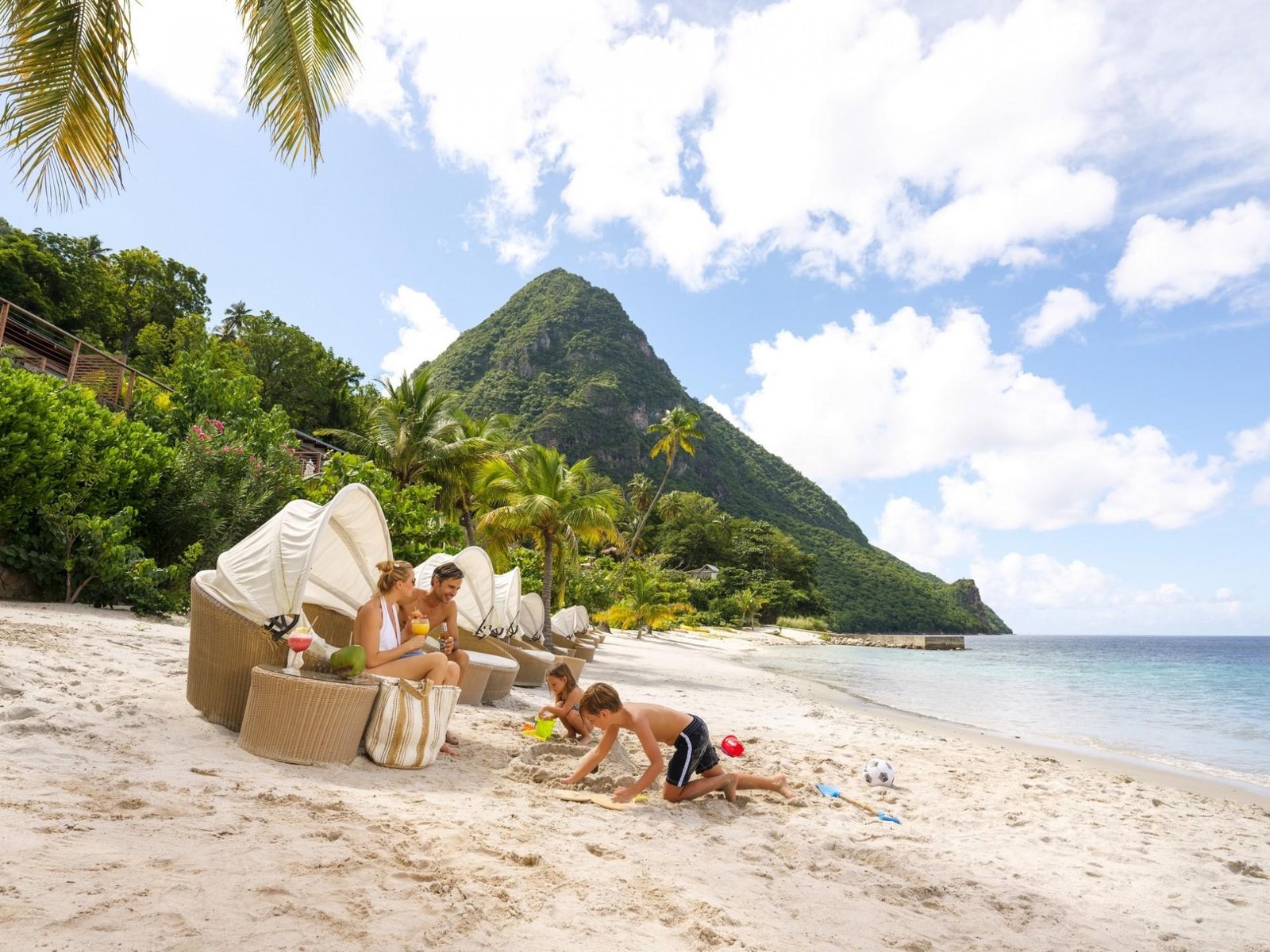
St. Lucia rewards travelers who leave the sun lounger for at least part of their holiday. Twin volcanic peaks rise above the southwestern coast, dense forest covers the interior, and rivers cut through valleys before reaching the Caribbean Sea. The best Outdoor Adventures in St. Lucia range from demanding summit hikes to gentle waterfall visits, so you do not need to be an expert trekker to appreciate the island. Choosing the right activity depends on fitness, weather, access and how much time you have. This guide separates the genuinely challenging outings from easier nature experiences and explains how to combine them into a rewarding trip.
Outdoor Adventures in St. Lucia: What to Know
Gros Piton dominates the landscape above Soufrière and is one of the island’s signature hikes. The trail is steep, exposed in places and physically demanding; reaching the summit and returning can occupy much of the day. Arrange the hike through an authorized local guide and start early to reduce exposure to midday heat. Carry sufficient water, footwear with reliable grip and food that travels well. The reward is not simply a photograph from above: along the route you see how dry coastal vegetation changes with elevation. Do not assume that being fit for beach walks means you are prepared for a mountain ascent.
Understanding Petit Piton and safer alternatives
Petit Piton looks close to its larger neighbor but should not be treated as an equivalent tourist walk. Its routes are considerably more technical, with steep rock and exposed sections, and are unsuitable for casual visitors. Travelers primarily seeking memorable views can enjoy the Pitons from viewpoints, coastal boat trips and the Tet Paul Nature Trail instead. Tet Paul offers a much more accessible guided walk through cultivated hillside scenery, with viewpoints over the peaks and surrounding coast. This is a particularly good option for mixed-ability groups or visitors with only half a day to explore.
Rainforest trails and the island interior
St. Lucia’s central highlands are cooler and greener than many coastal areas. Guided rainforest walks introduce visitors to ferns, towering trees, birdsong and the relationship between the forest and the island’s water supply. Routes vary greatly in distance and difficulty, so ask about elevation, steps and trail conditions before booking. A knowledgeable guide can help identify plants without disturbing them and explain which birds are most likely to be seen in different habitats. Rain showers can make roots and stone paths slippery even when the sky is clear at the hotel, making sturdy shoes more useful than ordinary sandals.
Waterfalls around Soufrière
Diamond Falls Botanical Gardens combines landscaped tropical plants with a mineral-stained waterfall that is primarily appreciated from viewing areas. It is a strong choice for travelers who want scenery without a strenuous hike. Toraille Waterfall offers another popular stop, with facilities and the possibility of getting close to falling water under suitable conditions. Waterfall visits are not interchangeable: some are for viewing, while others allow supervised bathing. Check access rules at each location rather than assuming every pool is safe. Heavy rainfall upstream can change conditions quickly, especially in narrow valleys.
Sulphur Springs and the volcanic landscape
Near Soufrière, Sulphur Springs reveals the island’s geothermal character through steaming vents, mineral deposits and managed visitor experiences. The well-known mud-bath area is separate from the more hazardous geothermal features; stay within designated spaces and follow staff instructions. The ground and water around volcanic activity can be extremely hot, so independent wandering is not appropriate. Pairing a geothermal visit with a botanical garden or waterfall makes an efficient sightseeing day because the attractions are relatively close together. People with sensitive skin should check whether mineral bathing is suitable before participating.
Snorkeling beneath the Pitons
The marine scenery is as compelling as the mountains. Along parts of the west coast, guided snorkeling trips explore reefs and rocky habitats where colorful fish live close to shore. Anse Chastanet and the marine area near Soufrière are commonly associated with snorkeling and diving, although access and conditions vary. Use a properly fitted mask and flotation support if needed, and avoid standing on coral or pursuing turtles. Sea conditions can differ substantially from one bay to another. A boat operator or local instructor can advise which sites are appropriate for beginners and which require more experience.
Ziplining and aerial forest experiences
Travelers who prefer a burst of adrenaline without a long climb may enjoy an organized zipline or canopy experience. These activities offer a different perspective on the forest, but they are not automatically suitable for every visitor. Operators typically apply weight, height, age or medical restrictions, and equipment must be fitted by trained staff. Ask how much walking or stair climbing is involved between platforms; some courses are more physically demanding than the advertising suggests. Choose an established provider that gives clear safety briefings and cancels activities when storms or high winds make conditions unsafe.
A practical three-day adventure plan
On the first day, explore Soufrière with Tet Paul, Diamond Falls and a managed geothermal stop. Reserve the second day for Gros Piton if your group is fit and has booked a guide; companions who prefer gentler activities can choose coastal sightseeing instead. Use the third day for a guided rainforest outing followed by snorkeling or a relaxed beach afternoon. This sequence leaves recovery time between strenuous activities and keeps travel concentrated by region. If weather threatens the mountain day, move it rather than attempting a summit in unsafe conditions. Allow flexibility rather than purchasing tightly connected nonrefundable excursions.
What to pack and how to stay safe
Pack lightweight clothing that dries quickly, a rain layer, sun protection, insect repellent and a refillable water bottle. For mountain trails, closed shoes with tread are essential; for marine activities, use reef-safe habits and avoid touching wildlife. Tell guides about relevant mobility limitations and confirm whether an excursion includes transport, entry charges and equipment. Do not enter rivers or waterfall pools after heavy rain, and take heat exhaustion seriously. Visitors driving themselves should allow extra time for steep, winding roads. A little preparation makes the island’s outdoor attractions considerably more enjoyable.
When to go and how to handle weather
St. Lucia is tropical, so even a sunny forecast can give way to brief showers in the hills. The relatively drier months from December to April are popular for outdoor sightseeing, while wetter periods may bring greener scenery alongside more variable trail conditions. The Atlantic hurricane season extends from June through November. Always follow local advisories, especially for mountain hikes and river valleys. When planning a trip around a particular challenging excursion, keep a spare day available in case weather forces a change. Flexibility is a practical safety measure, not a sign of poor planning.
Frequently Asked Questions
Can beginners enjoy nature activities in St. Lucia?
Yes. Tet Paul, managed botanical gardens, selected waterfall viewpoints and short guided forest walks provide rewarding alternatives to summit hiking.
Is Gros Piton an easy hike?
No. It is a strenuous climb with sustained elevation gain. Use an authorized guide and assess your fitness honestly.
When is the best time for outdoor activities?
The relatively drier months, often December through April, can be convenient, but tropical showers are possible throughout the year.
Can I combine hiking and snorkeling in one day?
A short guided walk and afternoon snorkeling can work well. Avoid scheduling a demanding mountain hike and a tightly timed boat departure together.
Final Thoughts
St. Lucia is a destination where the landscape shapes the experience. Choose activities that match your energy, use reputable local guides and build flexibility into your schedule. Across Caribbean Excursions can help inspire a multi-day island adventure that balances the Pitons, forest scenery, waterfalls and time to recover beside the sea.
