
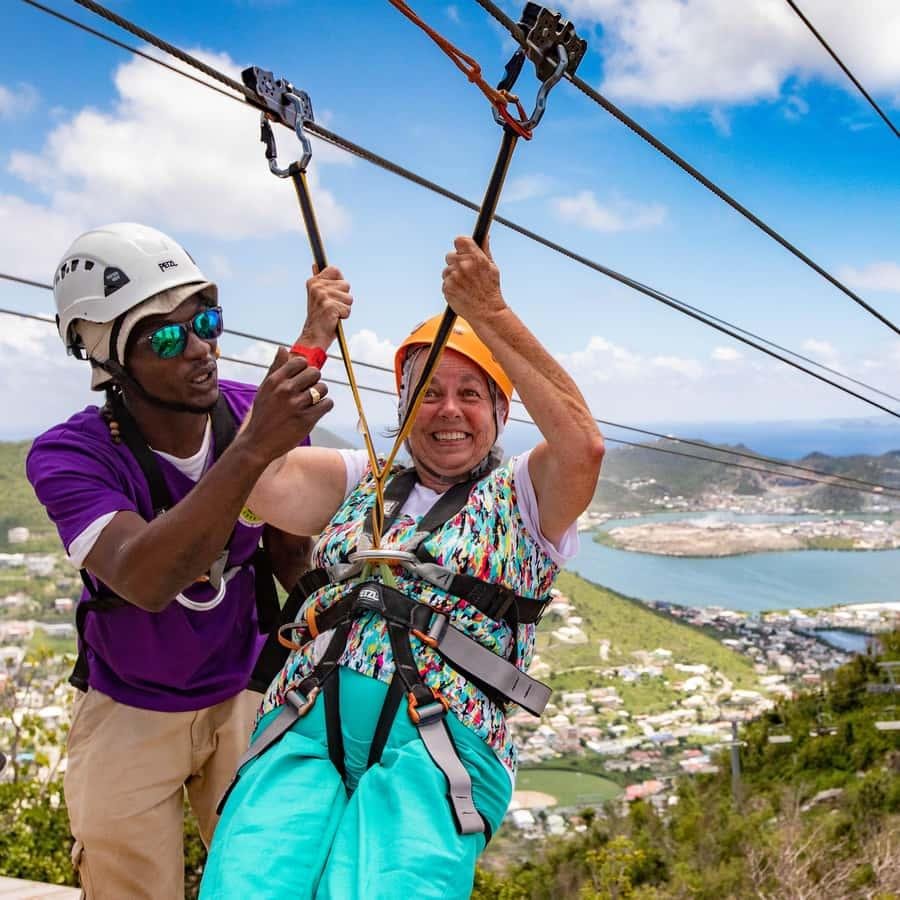
The Caribbean is known for its beautiful beaches, turquoise waters, tropical landscapes and vibrant island cultures. Whether you are planning a relaxing beach holiday, an adventure-filled escape or a cultural journey, the region offers a wide variety of experiences for different types of travellers.
However, a smooth Caribbean vacation involves more than booking a flight and choosing a hotel. Each island has its own entry requirements, transportation options, customs, weather patterns and attractions. Understanding a few important details before you travel can help you avoid common problems, manage your budget and make better use of your time.
These Caribbean travel tips cover what to know before your island vacation, from selecting a destination and preparing travel documents to packing essentials, arranging excursions and respecting local communities.
1. Choose an Island That Matches Your Travel Style
The Caribbean is made up of many islands, each with its own atmosphere and attractions. Some are known for lively resorts and entertainment, while others offer rainforests, historic towns, quiet beaches or opportunities for outdoor adventure.
Before booking, consider what you want from your vacation.
-
Beach relaxation: Look for destinations with beaches, suitable swimming conditions and accommodation that fits your preferred pace.
-
Adventure: Consider islands with hiking trails, waterfalls, diving, snorkelling, sailing or other outdoor activities.
-
Culture and history: Explore destinations with historic districts, museums, heritage attractions, markets and local food experiences.
-
Family travel: Look for convenient transportation, family-friendly accommodation and activities suitable for different ages.
-
Romantic getaways: Consider scenic coastlines, boat trips, private tours and accommodation suited to couples.
-
Nightlife and entertainment: Research destinations with music venues, restaurants, festivals and evening activities.
Jamaica, Barbados, the Bahamas, St. Lucia, Aruba, Curaçao, Antigua and Barbuda, and Grenada all offer different experiences. Research the attractions and practical travel arrangements of your shortlisted destinations before making a decision.
You do not have to visit several islands to enjoy the Caribbean. A single-island vacation can provide plenty of opportunities for sightseeing, relaxation and guided excursions.
2. Choose the Right Time to Visit
The Caribbean is a year-round travel region, but weather, visitor numbers and accommodation prices can vary by season.
The drier months, generally from December to April, are popular with visitors seeking warm weather and outdoor activities. This period can also bring higher demand for flights, hotels and excursions, particularly around major holidays.
The Atlantic hurricane season officially runs from June through November. This does not mean every island will experience a storm during that period, but weather conditions can affect travel plans. Rainfall and seasonal patterns also vary across the region.
When choosing your travel dates, consider:
-
Your preferred weather conditions
-
Flight and accommodation prices
-
School and public holidays
-
Local festivals and events
-
Seasonal transport schedules
-
Cancellation policies and travel insurance
If you travel during hurricane season, monitor official weather updates and review the change and cancellation conditions for your bookings. Allow some flexibility in your itinerary in case weather affects flights, ferries or excursions.
3. Set a Realistic Vacation Budget
A Caribbean vacation can be planned around a range of budgets, depending on the island, travel season, accommodation and activities you choose.
Your budget should include more than flights and hotel costs. Remember to account for:
-
International and regional flights
-
Accommodation
-
Airport transfers and local transportation
-
Meals, drinks and snacks
-
Guided tours and excursions
-
Entry fees and activity charges
-
Travel insurance
-
Shopping and personal expenses
-
An emergency reserve
Compare the total cost of different options rather than focusing on a single advertised price. A hotel with a lower nightly rate may be far from the attractions you want to visit, increasing transportation costs. A flight with a low base fare may have baggage fees or inconvenient connections.
All-inclusive resorts can make some expenses easier to plan because selected meals, drinks and facilities are included. However, check whether excursions, premium services and off-site activities cost extra.
If you are travelling with family or a group, estimate shared expenses and confirm what is included in accommodation and tour prices. Keeping a separate allowance for unexpected costs can also help you manage your spending during the trip.
4. Check Passport, Visa and Entry Requirements
Entry requirements vary by destination and depend on your nationality, passport and travel route. Before booking, check the official requirements for every island you plan to visit, as well as any country where you will transit.
You may need to confirm:
-
Passport validity requirements
-
Visa or electronic travel authorisation requirements
-
Return or onward ticket requirements
-
Customs and immigration procedures
-
Entry forms or declarations, where applicable
-
Requirements for children travelling with adults
Do not assume that permission to enter one Caribbean destination automatically applies to another. If your itinerary includes multiple islands, check each destination separately.
Keep copies of your passport details, flight confirmations, accommodation bookings and travel insurance information. Store digital copies securely and keep essential documents accessible during your journey.
It is also useful to check your airline’s document requirements before departure to avoid issues at check-in or during transit.
5. Book Flights and Transfers Carefully
Flight routes to the Caribbean depend on your departure airport and chosen destination. Some islands have direct international connections, while others require one or more transfers through regional or international hubs.
When comparing flights, consider the full journey rather than just the time spent in the air.
Check:
-
Total travel time
-
Number and length of connections
-
Baggage allowances
-
Arrival and departure times
-
Airport location
-
Change and cancellation conditions
Avoid very tight connections, especially if you have booked separate tickets or are connecting to a regional flight. A longer connection may be more convenient if it gives you time to manage delays or collect and recheck luggage.
Plan your airport transfer before arrival. Depending on the island, you may have access to taxis, hotel shuttles, private transfers, public transport or rental cars. If you arrive late at night or are travelling with children, pre-arranged transport may make the journey to your accommodation easier.
6. Understand Local Transportation
Transportation options differ from island to island. Some destinations have public buses and established taxi services, while others may require private transfers or a rental car to reach more remote attractions.
Ask your accommodation provider about reliable local transport options and confirm fares or arrangements before setting off.
If you plan to rent a car, check:
-
Local driving rules
-
Licence and age requirements
-
Insurance conditions
-
Road conditions
-
Parking availability
-
Whether driving is on the left or right
Do not assume that public transportation will operate frequently in every tourist area. If you are planning excursions to distant attractions, check whether transport is included or whether you need to arrange it separately.
For a short visit, guided tours with transport included can be a convenient way to explore without having to organise every journey yourself.
7. Choose Accommodation Based on Location and Needs
The Caribbean offers a wide range of accommodation, including all-inclusive resorts, hotels, guesthouses, villas, apartments and eco-lodges.
The best choice depends on your budget, group size and planned activities.
All-Inclusive Resorts
All-inclusive resorts typically include accommodation and selected meals, drinks and facilities. Some may also offer entertainment or activities as part of the package.
Check exactly what is included before booking. Premium restaurants, spa treatments, motorised water sports and off-site excursions may cost extra.
Hotels and Boutique Properties
Hotels and boutique accommodation can provide flexibility for travellers who want to explore local restaurants, markets and attractions.
Review the location, guest feedback, facilities, transport options and cancellation terms before confirming your stay.
Villas and Holiday Apartments
Villas and apartments may be suitable for families or groups who need more space or want access to kitchen facilities. Confirm whether housekeeping, transport and other services are included.
Location Matters
Consider how far your accommodation is from the beach, restaurants, attractions and transport services. A property in a convenient location can reduce travel time and make it easier to enjoy your vacation.
8. Pack for Tropical Weather and Island Activities
Packing for a Caribbean vacation is generally straightforward, but it is worth preparing for warm weather, outdoor activities and occasional rain.
Consider bringing:
-
Lightweight, breathable clothing
-
Swimwear and a beach cover-up
-
Comfortable walking shoes and sandals
-
Sunscreen and after-sun care
-
Sunglasses and a wide-brimmed hat
-
Insect repellent
-
A reusable water bottle
-
A small day bag
-
A light rain jacket or compact umbrella
-
Chargers and a suitable travel adapter
-
Necessary medication and basic first-aid supplies
-
Travel documents and copies of bookings
If you plan to hike, snorkel, dive or take part in adventure activities, check whether the tour operator provides equipment or whether you need to bring your own.
Review airline baggage limits before packing, particularly if your itinerary includes regional flights. Keep medication, travel documents, valuables and essential electronics in your hand luggage.
9. Plan Excursions Before You Arrive
Excursions can help you discover more of the Caribbean beyond your accommodation. Depending on your destination, you may be able to enjoy boat trips, snorkelling, cultural tours, rainforest adventures, sightseeing and local food experiences.
Popular excursion types include:
-
Guided island sightseeing tours
-
Snorkelling and diving trips
-
Sailing and catamaran excursions
-
Rainforest hikes and waterfall visits
-
Cultural and historical tours
-
Local food experiences
-
Wildlife and nature excursions
-
Scenic drives and photography tours
Before booking, check the meeting point, duration, transport arrangements, inclusions, additional costs and cancellation terms. Make sure the activity suits your group and fits your schedule.
Booking popular excursions in advance can help secure a place during busy travel periods. However, leave some free time in your itinerary so you can relax or explore activities you discover after arrival.
Across Caribbean Excursions can help you explore island tours and activities suited to different interests. Consider choosing a mix of cultural, outdoor and water-based experiences to make your vacation varied without overloading your schedule.
10. Understand Beach and Water Safety
Caribbean beaches are a major attraction, but swimming conditions vary by location, weather and time of year. Some beaches have calm, sheltered water, while others may experience strong waves, currents or rocky areas.
Before swimming or taking part in water sports:
-
Follow local safety signs and lifeguard instructions.
-
Pay attention to warning flags and weather advisories.
-
Choose activities suited to your swimming ability and experience.
-
Use reputable operators for boat trips, diving and other water activities.
-
Wear suitable safety equipment when required.
-
Avoid entering the water when conditions are unsafe.
If you are travelling with children or inexperienced swimmers, choose beaches and activities carefully. Do not assume that a beach is safe for swimming simply because it is popular or visually calm.
For snorkelling and diving, follow the operator’s safety briefing and avoid touching coral, marine animals or other sensitive parts of the ecosystem.
11. Protect Your Health and Consider Travel Insurance
A little preparation can help you stay comfortable and respond to unexpected situations during your vacation.
Drink water regularly in hot weather, use sun protection and take breaks during outdoor activities. Bring any necessary medication in sufficient quantities for your trip and keep it accessible during travel.
Consider travel insurance that suits your itinerary. Depending on the policy, coverage may include medical assistance, trip cancellation, travel delays, lost luggage or certain adventure activities. Read the policy carefully to understand its limits, exclusions and claim requirements.
Before departure, check whether any destination-specific health guidance or recommended precautions apply to your trip. If you have questions about your personal health needs, seek advice from a qualified healthcare professional before travelling.
Keep emergency contact information and the details of your accommodation accessible. It is also helpful to know how to contact your travel insurer and local emergency services if necessary.
12. Learn About Local Currency and Payment Methods
The currency used in the Caribbean varies by destination. Some islands use their own national currency, while others use currencies shared across several countries or territories. The US dollar may also be accepted in some tourist areas, but acceptance and exchange rates differ.
Before travelling, check which currency is used at your destination and whether your bank card is widely accepted.
Useful preparations include:
-
Informing your bank of your travel plans if required.
-
Checking foreign transaction and ATM fees.
-
Carrying a reasonable amount of local currency for small purchases.
-
Keeping payment cards secure.
-
Confirming accepted payment methods for tours and transfers.
When paying by card, check the amount and currency before confirming the transaction. If a payment terminal offers to charge you in your home currency or the local currency, compare the displayed exchange rate and any additional fees.
13. Respect Local Customs and Communities
The Caribbean is culturally diverse, with each island having its own traditions, languages, history and community practices. Learning a little about local customs before travelling can make your visit more rewarding.
Consider these simple practices:
-
Be polite and respectful when interacting with residents.
-
Learn common greetings where appropriate.
-
Ask permission before photographing people.
-
Follow local guidance at religious, cultural and historic sites.
-
Dress appropriately when visiting places with specific customs.
-
Support local businesses and community-based experiences.
Try local food, visit markets and explore neighbourhoods respectfully. Guided cultural tours can also help you understand the history and traditions of the island you are visiting.
14. Travel Responsibly and Protect the Environment
The Caribbean’s beaches, reefs, forests and wildlife are important natural assets. Visitors can help protect these environments by making thoughtful choices during their vacation.
Avoid leaving litter, follow marked trails, respect wildlife and do not touch or remove coral, shells or other protected natural materials where prohibited.
When choosing excursions, look for operators that follow responsible tourism practices and provide clear guidance about protecting the environment. During wildlife experiences, avoid activities that involve disturbing animals or encouraging unsafe interactions.
Supporting local businesses, buying locally made products and choosing community-led experiences can also help ensure that tourism benefits the places you visit.
15. Keep Your Itinerary Flexible
A well-planned itinerary can help you make the most of your vacation, but scheduling every hour may leave little room for rest or unexpected discoveries.
For a seven-day holiday, you could plan a relaxed mix of activities:
-
Day 1: Arrive, transfer to your accommodation and settle in.
-
Day 2: Explore a nearby beach or town.
-
Day 3: Enjoy a guided sightseeing or cultural tour.
-
Day 4: Take a water-based excursion or outdoor adventure.
-
Day 5: Keep the day flexible for relaxation or independent exploration.
-
Day 6: Visit another attraction or enjoy a special activity.
-
Day 7: Check out and travel home, allowing sufficient time for airport procedures.
Adjust the schedule to suit your destination, travel group and interests. If you are travelling with children or prefer a slower pace, reduce the number of organised activities and leave more time for rest.
Allow a buffer before important connections or your international departure. This is particularly useful if your travel plans include ferries, regional flights or transfers that may be affected by weather.
16. Avoid Common Caribbean Travel Mistakes
A few simple precautions can prevent unnecessary stress during your island vacation.
-
Choosing a destination without researching it: Check whether the island offers the experiences and facilities you need.
-
Underestimating the total cost: Include meals, transport, excursions, insurance and personal spending in your budget.
-
Overloading your itinerary: Leave time to relax and explore at your own pace.
-
Ignoring entry requirements: Verify the rules for every destination and transit point.
-
Assuming all beaches have similar conditions: Research swimming safety and local guidance.
-
Booking excursions without checking the details: Confirm duration, inclusions, meeting points and cancellation policies.
-
Leaving transfers until arrival: Arrange airport transportation in advance where practical.
-
Not preparing for weather disruptions: Monitor official updates and understand your booking conditions.
-
Carrying all valuables together: Keep essential documents and payment methods secure and accessible.
Prepare Well and Enjoy Your Island Vacation
A memorable Caribbean vacation starts with choosing a destination that matches your interests and preparing for the practical details of travel. Research your island, set a realistic budget, confirm your documents, compare accommodation and transportation options, and choose excursions that suit your preferred pace.
Pack for tropical weather, follow local safety guidance and respect the communities and environments you visit. Most importantly, leave room in your schedule to relax and enjoy unexpected experiences.
With thoughtful preparation, you can spend less time dealing with avoidable travel problems and more time discovering the beaches, culture, cuisine and natural beauty of the Caribbean. Explore the tours and activities available through Across Caribbean Excursions to help make your island vacation a rewarding experience.