
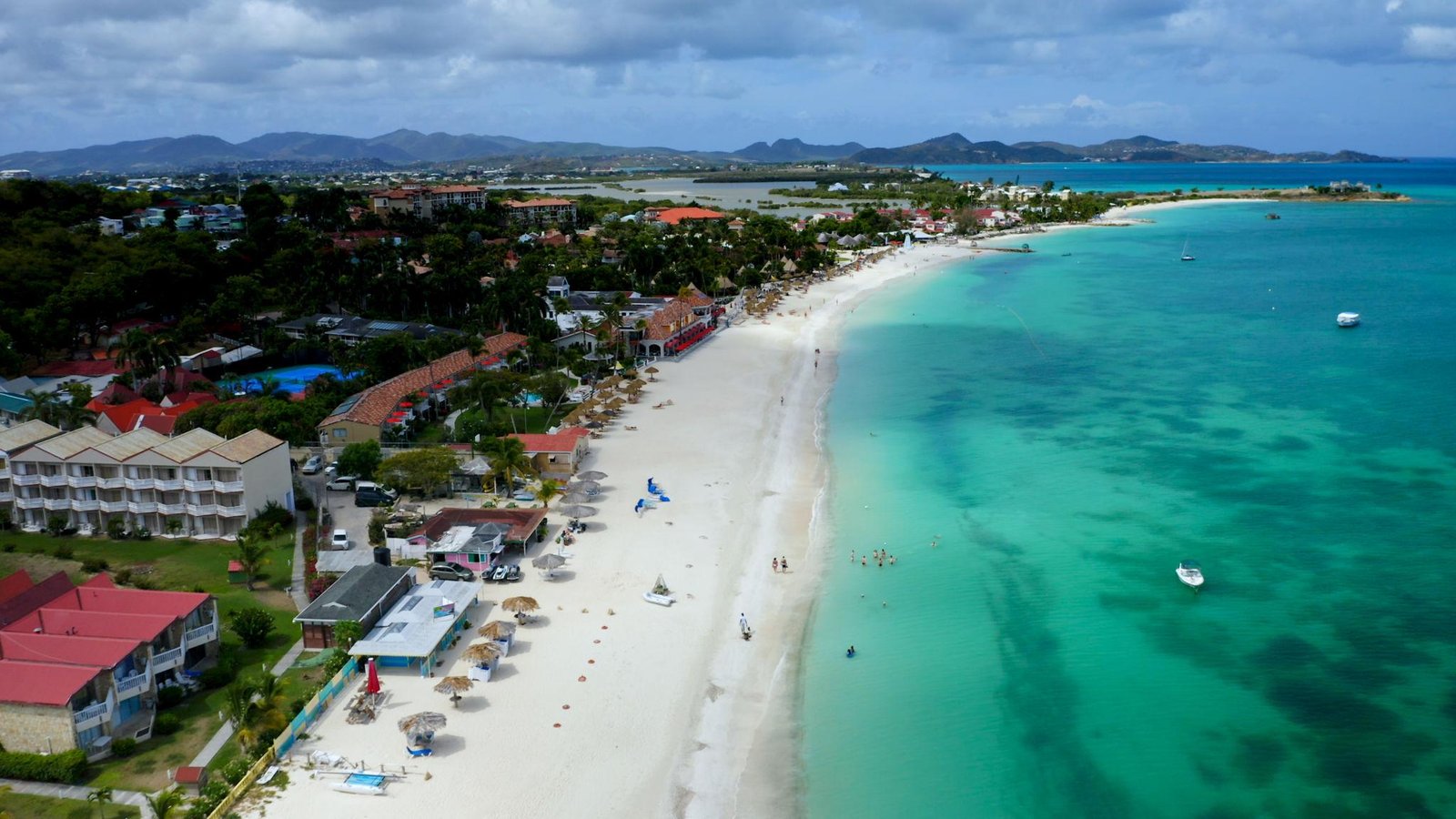
Curaçao Travel Guide is a useful starting point for planning a trip that suits your interests, pace and experience. This guide focuses on real places, practical choices and the details that can make a Caribbean vacation more rewarding; this is especially relevant to curaçao travel guide. Rather than promising identical experiences in every season, it explains how to adapt plans to weather, transport and the preferences of the people traveling; this is especially relevant to curaçao travel guide. Use the suggestions to choose what matters most, then confirm current access, operator schedules and local conditions before departure; this is especially relevant to curaçao travel guide.
Curaçao travel guide: understand Curaçao’s distinctive character
Curaçao blends Caribbean coastal scenery with Dutch-influenced architecture, multiple languages and a strong local identity. Unlike islands where visitors remain near one resort strip, this destination rewards independent exploration. Willemstad provides museums, waterfront neighborhoods and lively streets, while the western coast reveals coves framed by rocky hills. A good trip alternates urban discovery with beach time rather than treating the capital as a quick photo stop. Learn a few local greetings, respect the island’s communities and allow enough time to appreciate its history beyond the bright building facades.
Walk through historic Willemstad
Willemstad’s historic center is recognized by UNESCO for its distinctive urban heritage. Explore Punda and Otrobanda on foot, admire the colorful waterfront buildings and cross the Queen Emma Bridge when it is open to pedestrians. The floating bridge moves to allow vessel traffic, so routes may change temporarily. Visit small galleries, cafés and shops rather than limiting your experience to the best-known waterfront view. Early morning is comfortable for walking and photography. A local walking guide can add valuable context about trade, architecture and the people who shaped the city.
Local context matters when interpreting a place. A beautiful street or waterfront building may carry a history of trade, migration or inequality that is not obvious from its appearance. Seek out knowledgeable guides and museums to understand the stories behind what you see.
Choose beaches along the western coast
Curaçao’s western shoreline has many of its most picturesque beaches. Grote Knip is celebrated for its vivid water and dramatic viewpoint, while Playa Lagun is a smaller cove popular with snorkelers when conditions cooperate. Cas Abao and Porto Mari are other appealing choices, with facilities or entry arrangements that can change. Bring cash or a payment method accepted locally, and check access rules before traveling. Rocky entries are common, so water shoes may help. Do not assume every beautiful cove has lifeguards or suitable conditions for inexperienced swimmers.
Discover Shete Boka National Park
Shete Boka National Park showcases the island’s rugged north coast, where Atlantic swells crash into rocky inlets. It is a dramatic change from the calmer swimming beaches elsewhere. Stay behind barriers and on marked trails; the force of the surf can make exposed edges dangerous. Bring sturdy footwear, water and protection from the sun, since shade can be limited. Plan a visit during daylight and confirm access hours before departure. This is a place to appreciate geology, sea power and scenery, not to enter the water for a swim.
Learn about culture through food
Curaçao’s cuisine reflects African, Caribbean, European and Latin American influences. Explore local dining areas and look for dishes such as stobá, a richly seasoned stew, or funchi, a cornmeal-based accompaniment. Food markets and neighborhood restaurants can provide a more grounded experience than eating exclusively at a hotel. Ask about ingredients if you have allergies or dietary restrictions. Try to visit at a relaxed hour so you can appreciate the setting and service. The island’s food culture tells a story of adaptation, community and long-standing culinary traditions.
Travel respectfully by asking permission before photographing people, observing rules at heritage sites and supporting locally operated businesses. Small choices can make a cultural visit more meaningful for both guests and host communities.
Visit museums and heritage landmarks
Beyond the waterfront, Curaçao has important places for understanding its past, including museums and heritage sites connected to maritime commerce and slavery. The Kura Hulanda Museum is often highlighted for its treatment of the transatlantic slave trade and African history. Approach such visits thoughtfully and allow time to reflect rather than rushing onward to the next attraction. Confirm opening arrangements and exhibit availability. Pair a museum visit with a guided neighborhood walk for context. Responsible tourism means engaging with difficult history as well as the island’s more celebratory cultural expressions.
Experience snorkeling and marine life
Curaçao has shore-access snorkeling opportunities at several coves, including Playa Lagun and locations around the western coastline. Visibility, currents and marine activity vary from day to day. Choose entry points appropriate to your ability and never swim beyond your comfort zone. Do not feed fish, touch turtles or stand on coral. Divers should use qualified operators who match sites to certification and experience. A short guided marine outing can be a meaningful part of a culture-focused vacation, but it should not crowd out time for the city and local communities.
Navigate the island with confidence
A rental car is often useful because many western beaches and inland attractions are spread out. Driving is on the right, and road conditions vary by area. Check insurance coverage, parking guidance and fuel arrangements before leaving the rental counter. Public transport and taxis exist, but schedules may not suit a packed sightseeing plan. Stay aware of valuables at beach parking areas and avoid leaving bags visible in vehicles. If you prefer not to drive, choose a combination of organized day tours and accommodation within easy reach of restaurants and urban attractions.
Local context matters when interpreting a place. A beautiful street or waterfront building may carry a history of trade, migration or inequality that is not obvious from its appearance. Seek out knowledgeable guides and museums to understand the stories behind what you see.
Design a balanced week in Curaçao
Spend the first two days getting to know Willemstad, its neighborhoods and dining scene. Reserve separate days for western beaches and Shete Boka, since they offer very different experiences. Add a marine activity on a day with suitable conditions, then use remaining time for galleries, markets or a slower coastal afternoon. Choose accommodation in Willemstad for walkable culture or near a beach area for a more resort-focused stay. Confirm attraction hours and any required reservations. A flexible plan will reveal more of Curaçao than a rigid checklist of photo stops.
Frequently asked questions
How many days are enough for Curaçao?
Five to seven days allows time for Willemstad, western beaches and at least one nature or marine excursion.
Do I need a car?
A car is useful for reaching dispersed beaches, while guided tours and taxis are alternatives.
What is special about Willemstad?
Its historic waterfront and neighborhoods combine distinctive architecture with significant cultural heritage.
Plan your next Caribbean escape
For a trip built around Curaçao travel guide, the strongest plan combines a few well-chosen highlights with time to experience each place properly. Check current conditions, choose responsible operators and be willing to adjust the schedule; this is especially relevant to curaçao travel guide. Across Caribbean Excursions shares destination inspiration to help travelers shape thoughtful island vacations, whether the priority is nature, culture, relaxation or time together; this is especially relevant to curaçao travel guide. The best journey is one that feels personal, practical and memorable long after the return home; this is especially relevant to curaçao travel guide.
