
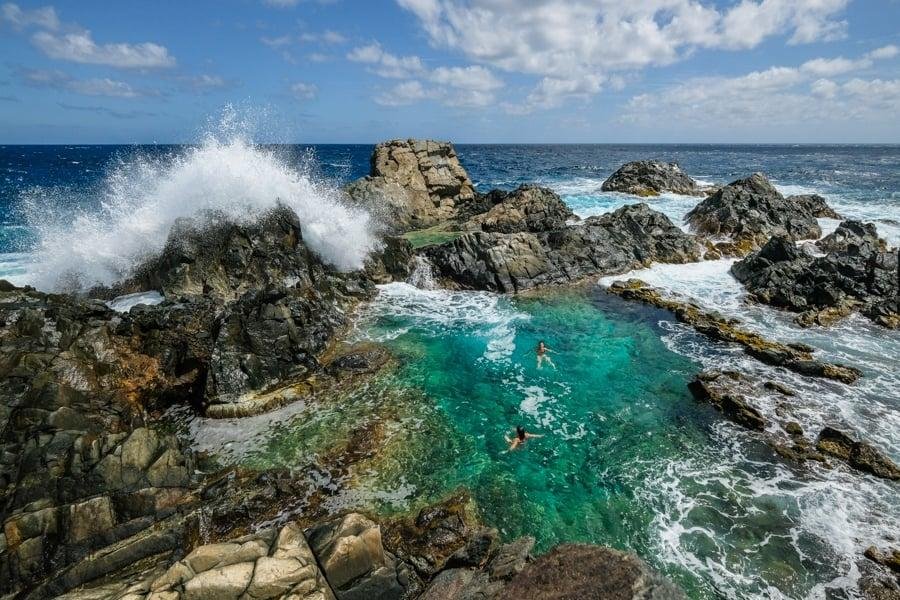
Rainforest Hikes and Waterfalls in Grenada introduce visitors to an island interior of misty slopes, lush vegetation and fast-changing weather. Some viewpoints require little walking, while other routes demand proper footwear, good fitness and an experienced guide. A nature-focused holiday can be deeply rewarding, but choosing the correct trail is more important than collecting waterfall photographs. This guide distinguishes accessible stops from more demanding outings and explains how to prepare for tropical conditions. It also encourages travelers to notice the forest itself, including its plants, sounds and ecological importance.
Rainforest Hikes and Waterfalls in Grenada: Understand Grenada’s Rainforest Terrain
Grenada’s mountainous interior is lush, humid and frequently wet, even when coastal districts are sunny. Trails range from short, developed approaches to steep forest routes where roots, mud and river crossings demand concentration. A good hiking day begins with realistic expectations about fitness and the weather. Carry water, a waterproof layer and shoes with dependable grip. Mobile coverage can be inconsistent in remote areas, so share your route with someone and consider a local guide. Nature lovers will enjoy the island more by choosing fewer trails and spending time observing plants, birds and changing forest scenery.
Grand Etang National Park and Forest Reserve
Grand Etang is a natural starting point for exploring Grenada’s highlands. The lake and surrounding forest provide a dramatic contrast with the bright coast, and mist often settles over the slopes. Visitors can enjoy viewpoints and nearby nature walks, while longer trails require route-specific planning. Ask about current access and conditions because heavy rainfall can change the experience quickly. Wildlife sightings are never guaranteed, and feeding animals can harm them. Stop regularly to listen and look rather than walking only to reach a destination. This area works well for travelers who want an introduction to tropical forest ecology.
Seven Sisters Falls: A More Active Outing
The Seven Sisters waterfall area is popular with hikers seeking an immersive forest walk and a rewarding waterfall setting. The approach can involve muddy slopes and uneven ground, especially after rain. Some visitors arrange a local guide to help with navigation and conditions. Not every cascade is equally accessible, and reaching additional falls may require substantially more effort. Do not attempt jumps, climbs or swims simply because other visitors do so; assess water levels and follow local safety guidance. Plan sufficient daylight for the return and bring a dry bag for electronics. This is an adventure to enjoy carefully, not rush.
Annandale Falls for a Shorter Visit
Annandale Falls offers a more accessible waterfall experience than many deep-forest routes. The short approach makes it a useful stop for mixed-ability groups or visitors with limited time, although the immediate surroundings can still be slippery. Check any current entrance arrangements and site guidance. Photography is easiest when you give other visitors space and avoid blocking paths. If swimming is permitted, make a separate judgment about conditions rather than assuming the pool is safe every day. Pair Annandale with another nearby stop to create a satisfying half-day outing without committing to a strenuous trek.
Concord Falls and the Western Interior
The Concord Falls area provides another way to appreciate Grenada’s forested valleys and waterfall scenery. Access and the difficulty of reaching individual cascades vary, so confirm which sections are currently suitable for your group. The drive through agricultural countryside can be part of the appeal, with views of farms and tropical vegetation. Ask a local guide about trail conditions after heavy rain. Visitors interested in photography should bring protection for cameras and allow time for changing light. Resist the temptation to venture beyond maintained areas in search of an empty viewpoint; slippery rock and sudden runoff are serious hazards.
Plants, Birds and the Value of a Guide
A rainforest outing becomes richer when you learn to recognize the environment rather than only its landmarks. Local guides may point out tree species, medicinal-plant traditions, birds and signs of wildlife that are easy to miss. Ask questions about conservation and how changing rainfall affects the forest. Observe animals from a respectful distance and never remove plants or rocks. If you want photographs, use natural light and avoid disrupting nests or habitat. Guided interpretation is particularly useful for visitors who are unfamiliar with tropical terrain, although a short well-marked nature walk may suit independent travelers on a clear day.
Planning a Two-Day Nature Route
For a relaxed itinerary, devote the first day to Grand Etang and an easier waterfall stop, leaving time for lunch and viewpoints. Use the second day for Seven Sisters or another longer guided trail, depending on fitness and current conditions. Avoid stacking multiple strenuous hikes into one day simply to increase the number of attractions visited. Mountain driving takes longer than distances on a map suggest. Start early, carry snacks and keep a backup cultural or food activity in mind if storms make trails unsafe. This approach creates room for discovery without treating the forest as a race.
Waterfall and Trail Safety Essentials
Rain can cause rapid changes in river flow, and wet rocks remain slippery even after skies clear. Never enter water near a waterfall during flooding or when guides advise against it. Check forecasts, recent rainfall and local access notices before departure. Wear footwear designed for traction, protect valuables and bring enough drinking water for the full outing. Avoid hiking alone on remote routes, and tell your accommodation where you plan to go. Grenada’s tropical environment is beautiful but demands respect. Choosing a safer alternative on a wet day is good judgment, not a missed opportunity.
Protecting the Forest While You Explore
Stay on established paths, take all litter out and avoid picking plants or disturbing wildlife. Hiking groups should keep noise modest so others can appreciate birds and forest sounds. Do not carve names into trees or move rocks around natural pools. If a guide asks visitors to avoid an area, respect that decision even when the route appears passable. Choose local operators who communicate conservation expectations clearly. A respectful visitor helps preserve both the ecology and the quality of future nature experiences. Grenada’s forest is not merely a backdrop for photographs; it is a living system that needs care.
Frequently Asked Questions
What is the easiest waterfall to visit?
Annandale Falls is among the more accessible options, though visitors should still watch for slippery surfaces.
Do I need a guide for Seven Sisters?
A guide is a sensible choice, particularly after rain or if you are unfamiliar with the terrain.
Can I hike during the rainy season?
Some routes remain possible, but trail conditions can change quickly; check local advice and be ready to postpone.
Are waterfall pools always safe for swimming?
No. Water levels, currents and rock conditions change, so follow current site-specific safety guidance.
Choosing the Right Level of Difficulty
Ask operators for approximate walking time, elevation changes and whether a route includes river crossings or steep sections. Labels such as easy and moderate are subjective, so describe your actual fitness and previous hiking experience. Children and older travelers may enjoy viewpoints and short walks more than long muddy climbs. Bring any necessary medication and let the guide know about relevant limitations before setting out. It is sensible to turn around if conditions deteriorate. A shorter hike completed comfortably can offer more wildlife observation and better memories than an ambitious route that leaves everyone exhausted.
Final Thoughts
Grenada’s rainforest landscapes reward patience, preparation and respect. Across Caribbean Excursions encourages nature lovers to select appropriate trails, listen to local guides and prioritize safe conditions over ambitious checklists. The best adventure is one that leaves you with lasting memories and the desire to return.
